

Which Animals Were Praised In Ancient Egypt
Why were the ancient Egyptians obsessed with cats?
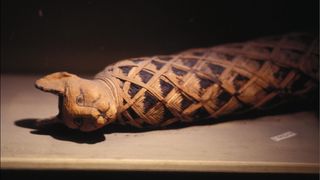
The ancient Egyptians are famed for their fondness of all things feline. There's no shortage of true cat-themed artifacts — from larger-than-life statues to intricate jewelry — that have survived the millennia since the pharaohs ruled the Nile. The aboriginal Egyptians mummified countless cats, and fifty-fifty created the globe'south first known pet cemetery, a nearly 2,000-twelvemonth-old burial footing that largely holds cats wearing remarkable fe and beaded collars.
But why were cats then highly valued in ancient Egypt? Why, according to the ancient Greek historian Herodotus, would the Egyptians shave their eyebrows as a mark of respect when mourning the loss of a family cat?
Much of this reverence is considering the ancient Egyptians thought their gods and rulers had cat-like qualities, co-ordinate to a 2018 exhibition on the importance of cats in ancient Egypt held at the Smithsonian National Museum of Asian Art in Washington, D.C. Specifically, cats were seen as possessing a duality of desirable temperaments — on the one hand they tin be protective, loyal and nurturing, but on the other they can be pugnacious, independent and vehement.
Related: How were the Egyptian pyramids congenital?
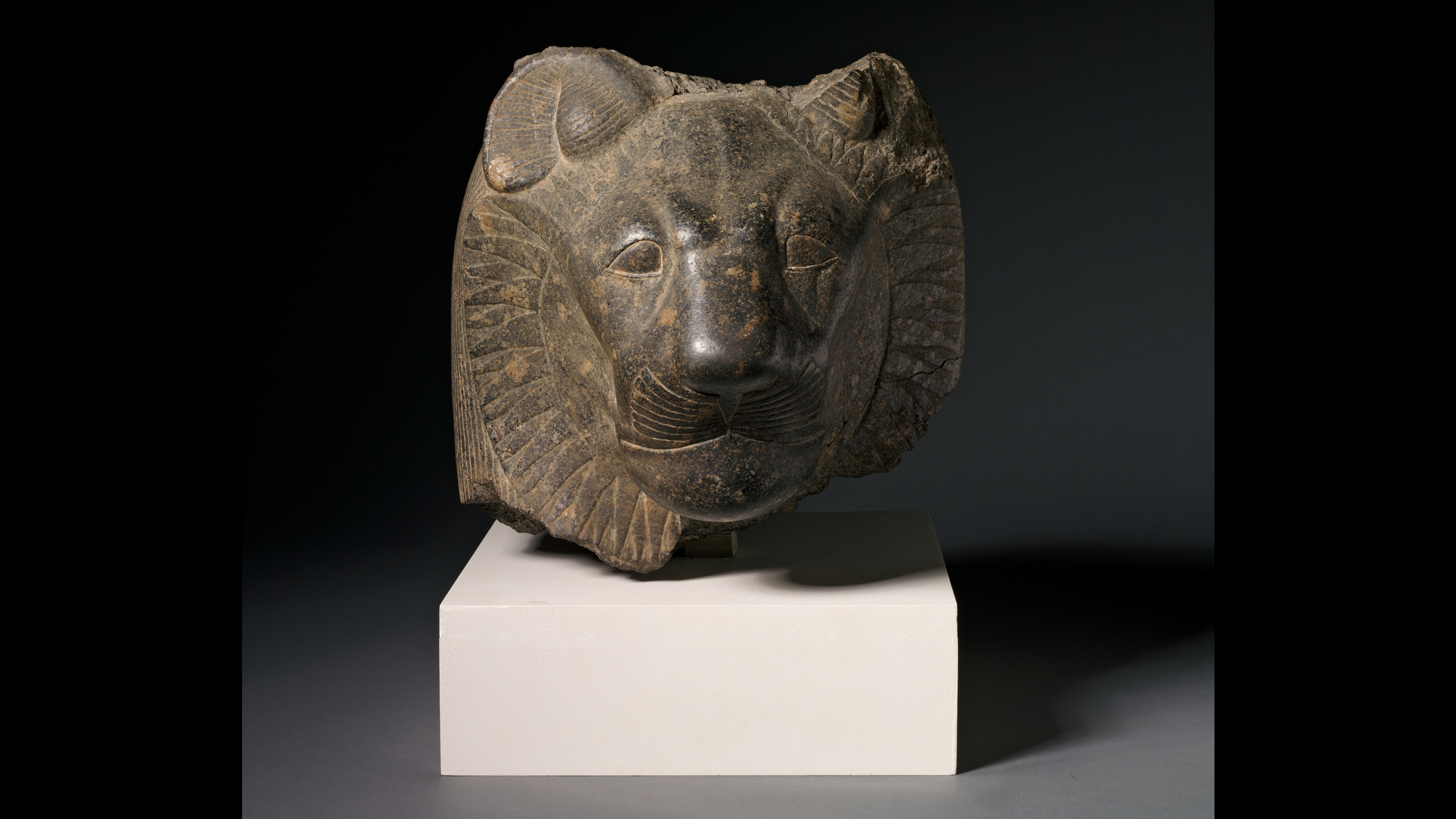
To the ancient Egyptians, this fabricated cats seem like special creatures worthy of attention, and that might explicate why they built feline-esque statues. The Great Sphinx of Giza, a 240-pes-long (73 meters) monument that has the face of a homo and the torso of a lion, is perhaps the most famous example of such a monument, although in truth, historians aren't exactly sure why the Egyptians went to the trouble of etching the sphinx. Likewise, the powerful goddess, Sakhmet (also spelled Sekhmet), was depicted as having the caput of a lion on the body of a woman. She was known as a protective deity, especially during moments of transition, including dawn and dusk. Some other goddess, Bastet, was oftentimes represented every bit a lion or a cat, and the ancient Egyptians believed that cats sacred to her.
Cats were likely also loved for their abilities to hunt mice and snakes. They were then adored that the ancient Egyptians named or nicknamed their children afterward felines, including the name "Mitt"' (which means cat) for girls, according to University College London. It'south not clear when domesticated cats turned up in Arab republic of egypt, but archaeologists accept found cat and kitten burials dating as far back as 3800 B.C., Live Science previously reported.
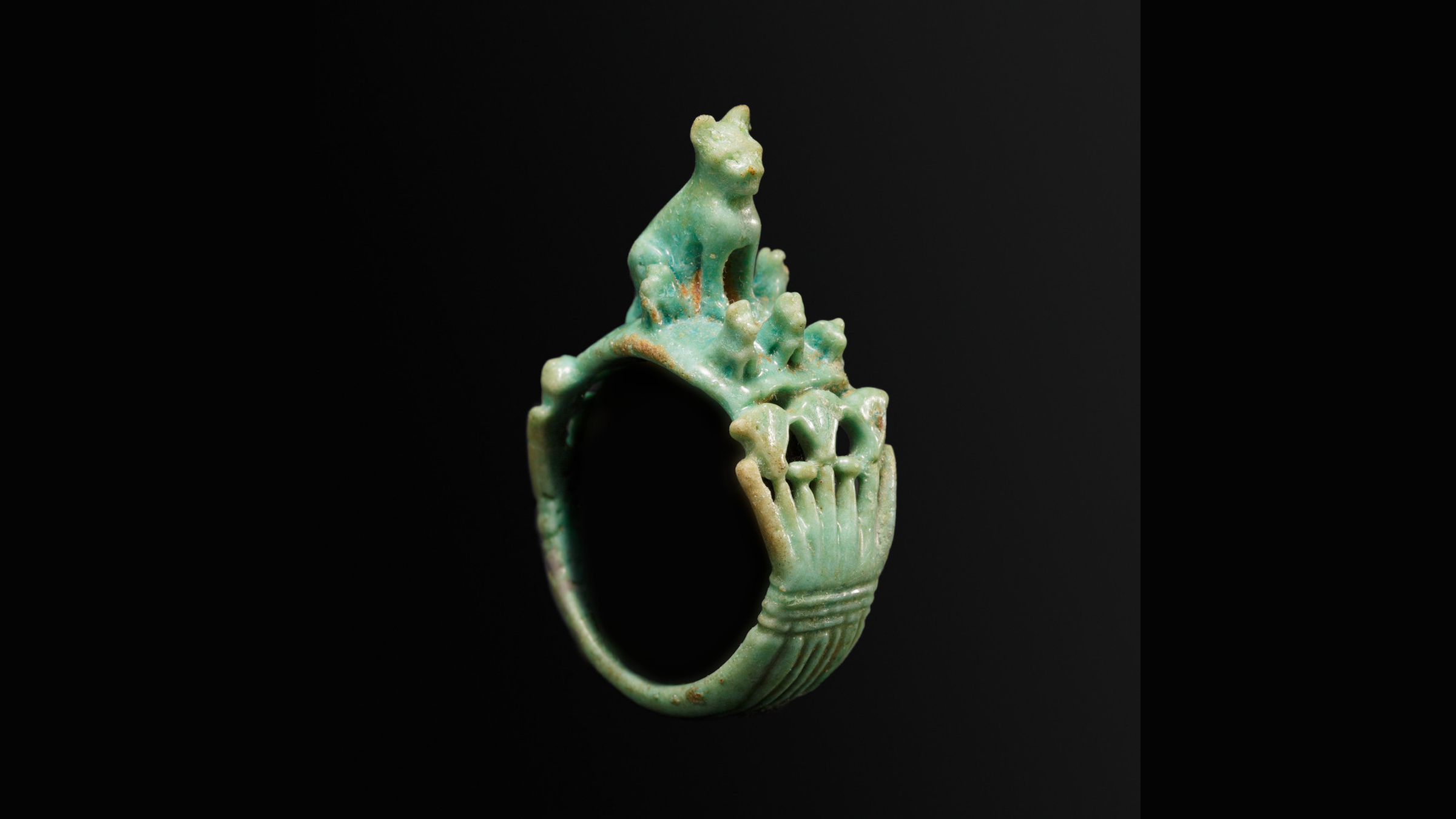
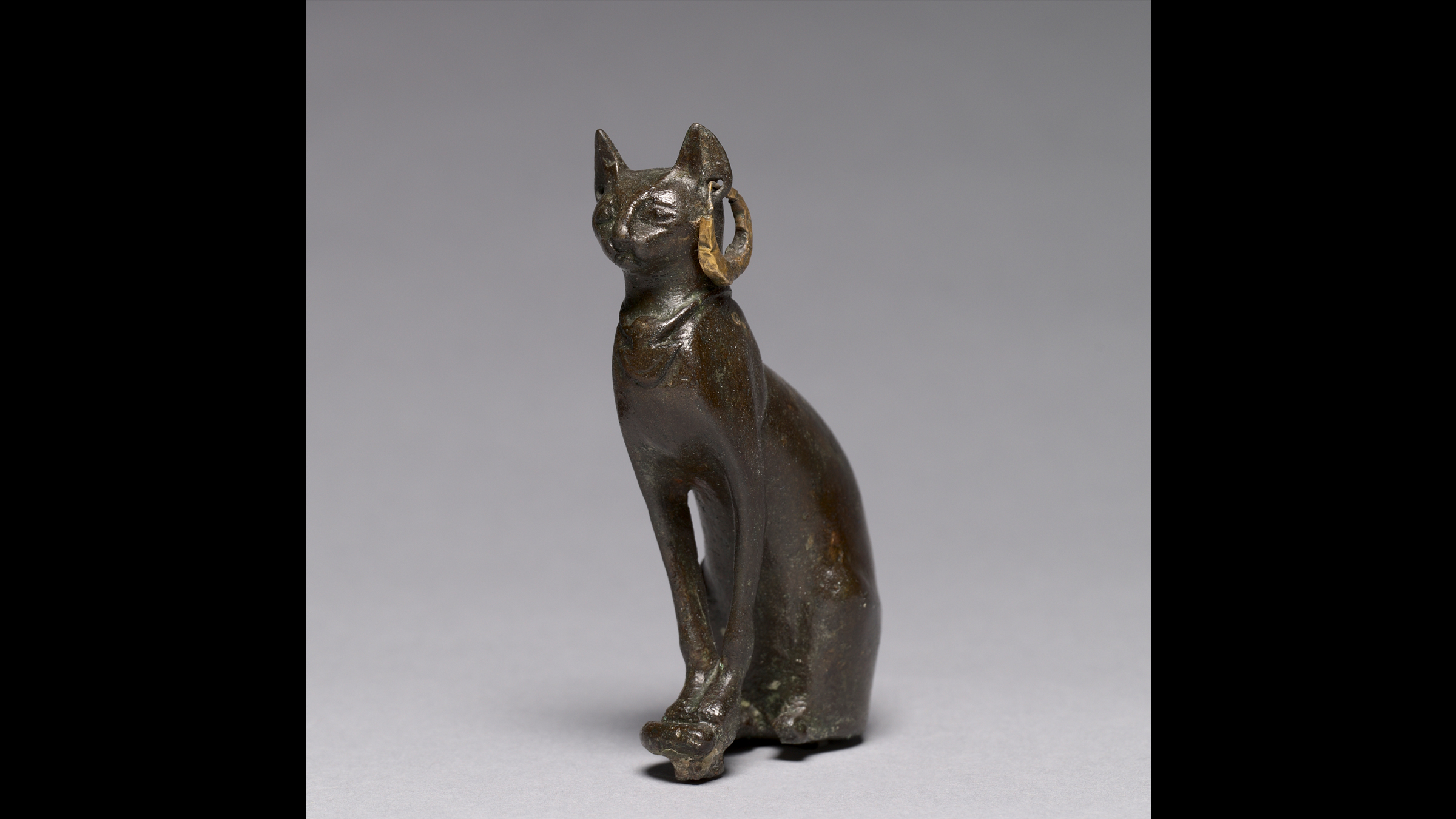
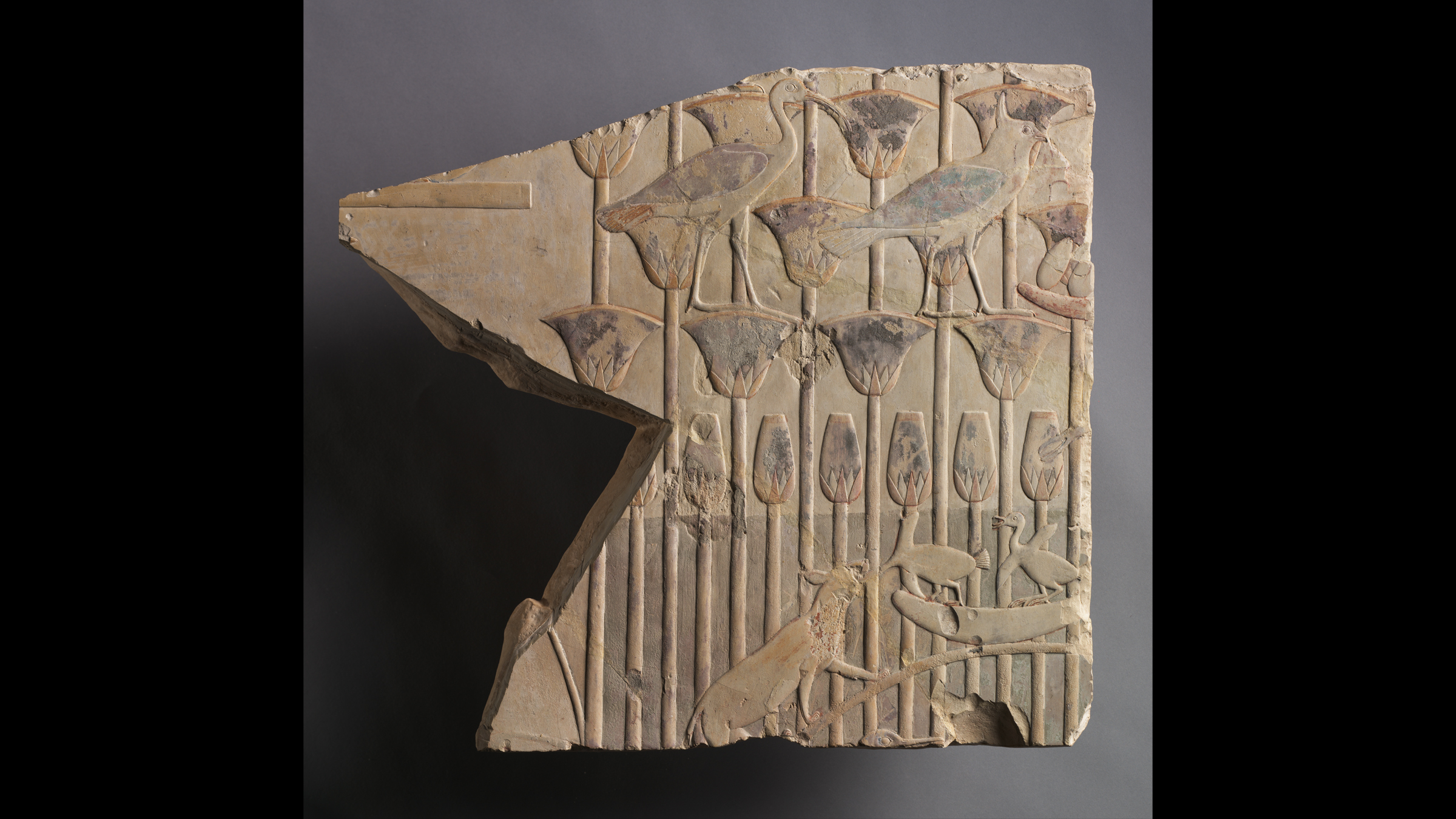
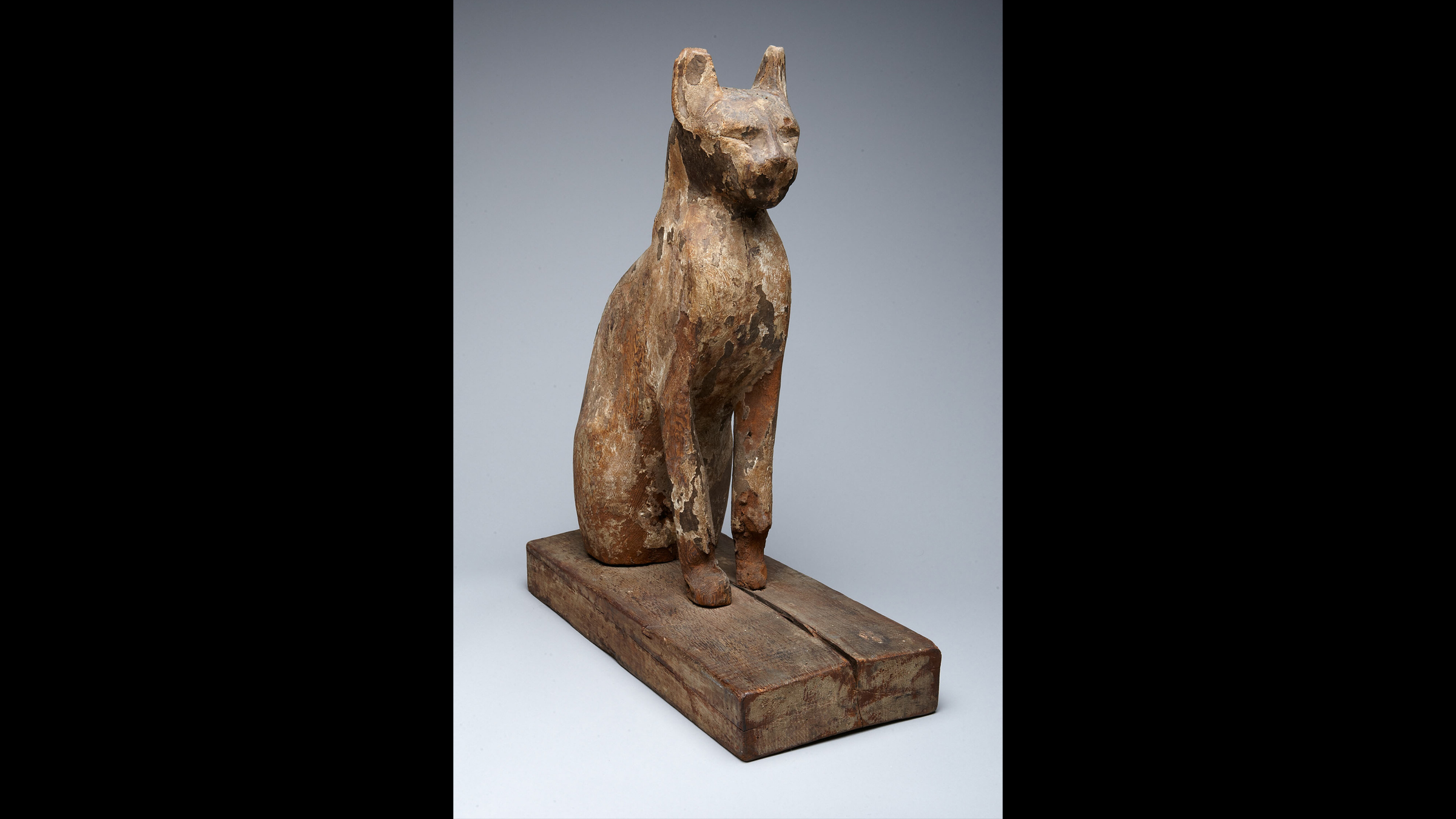
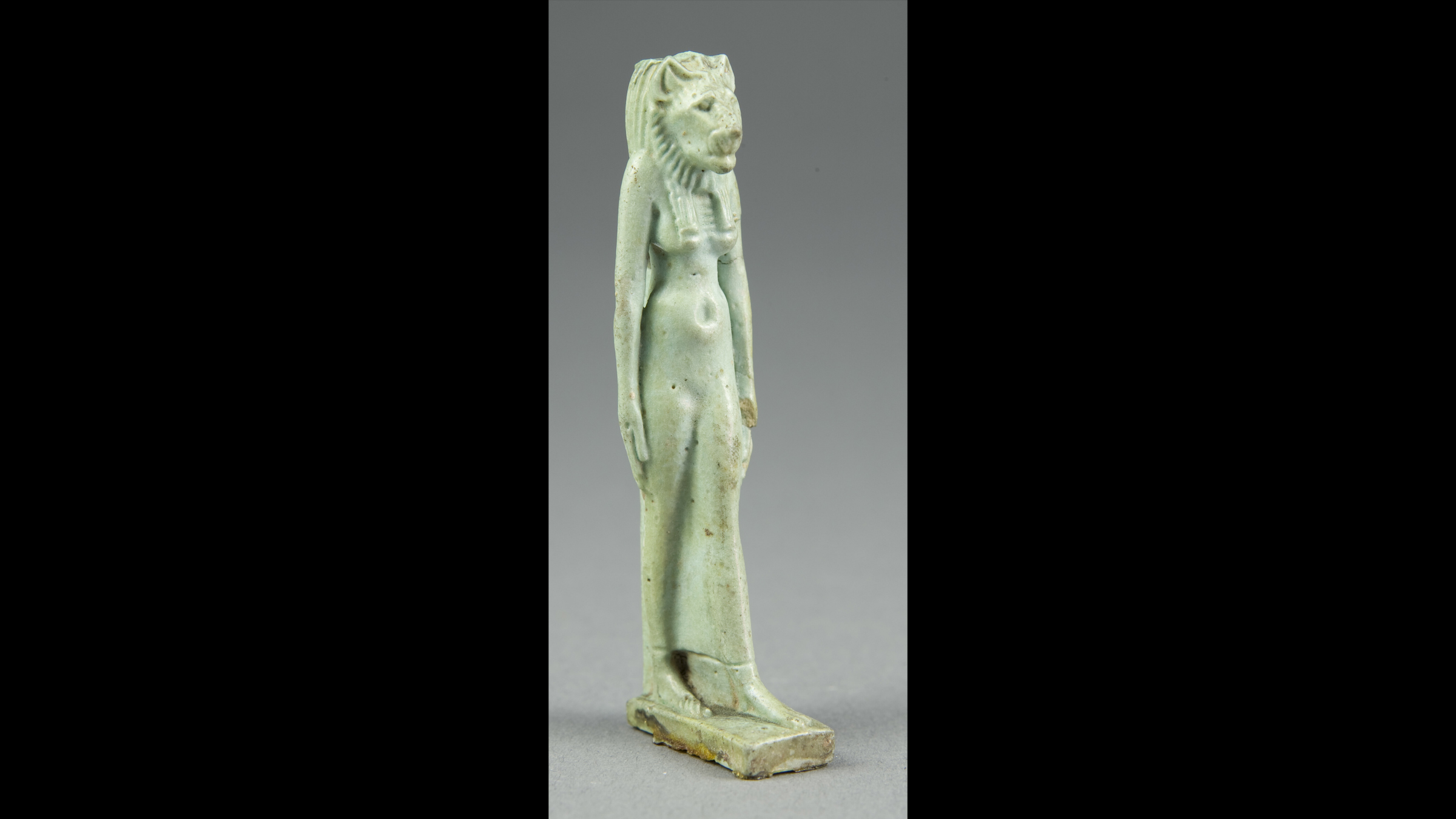
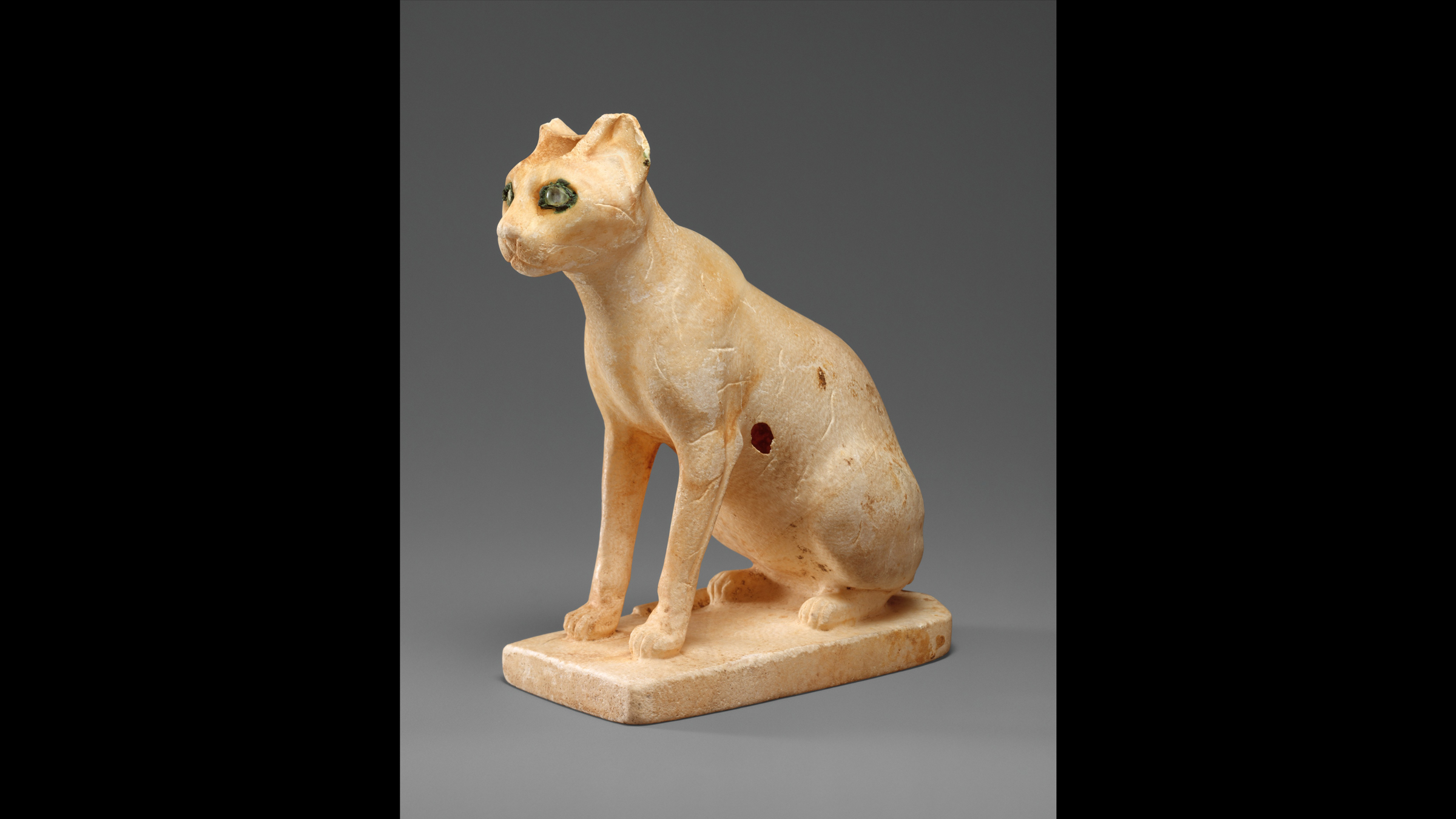
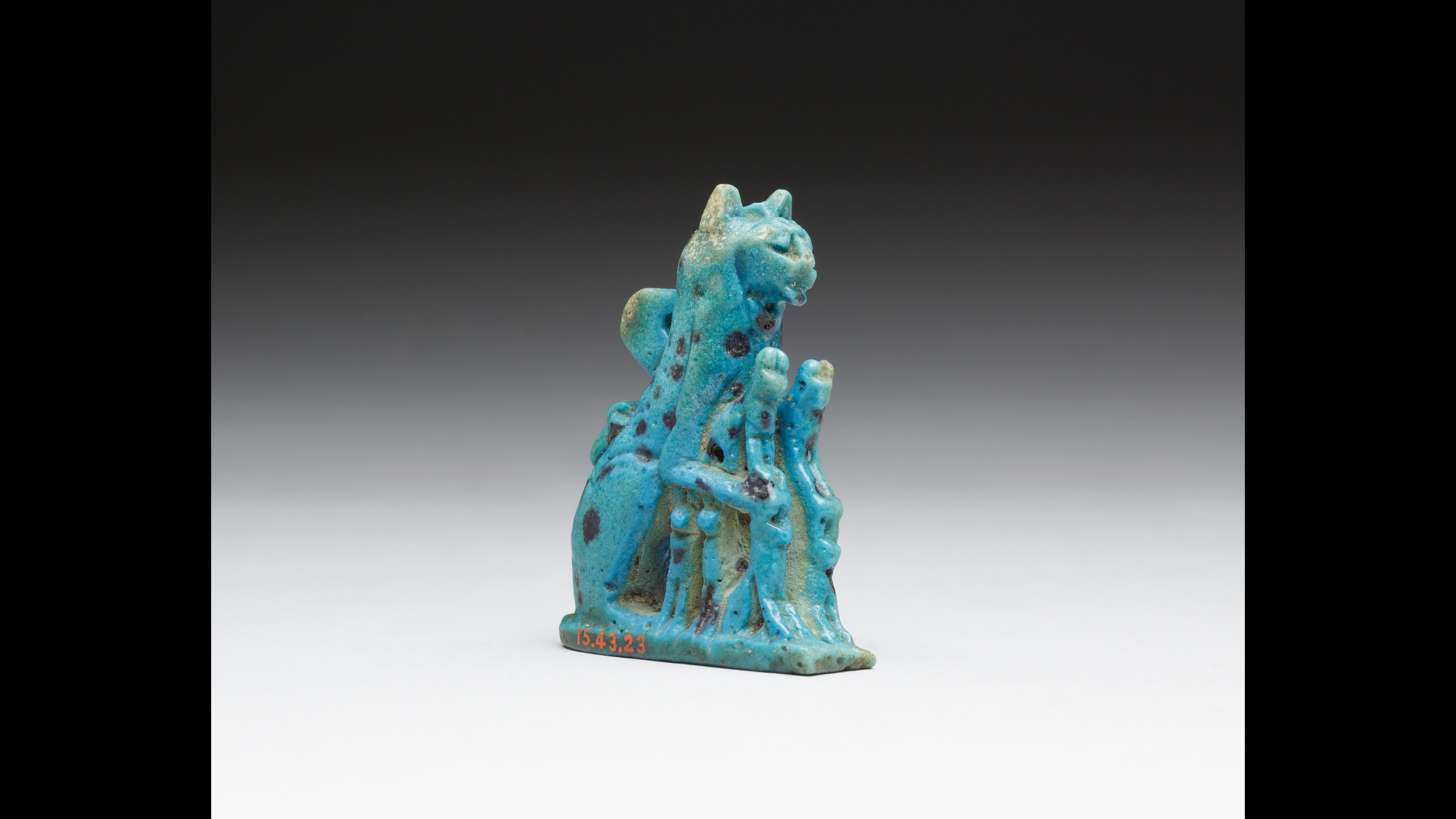
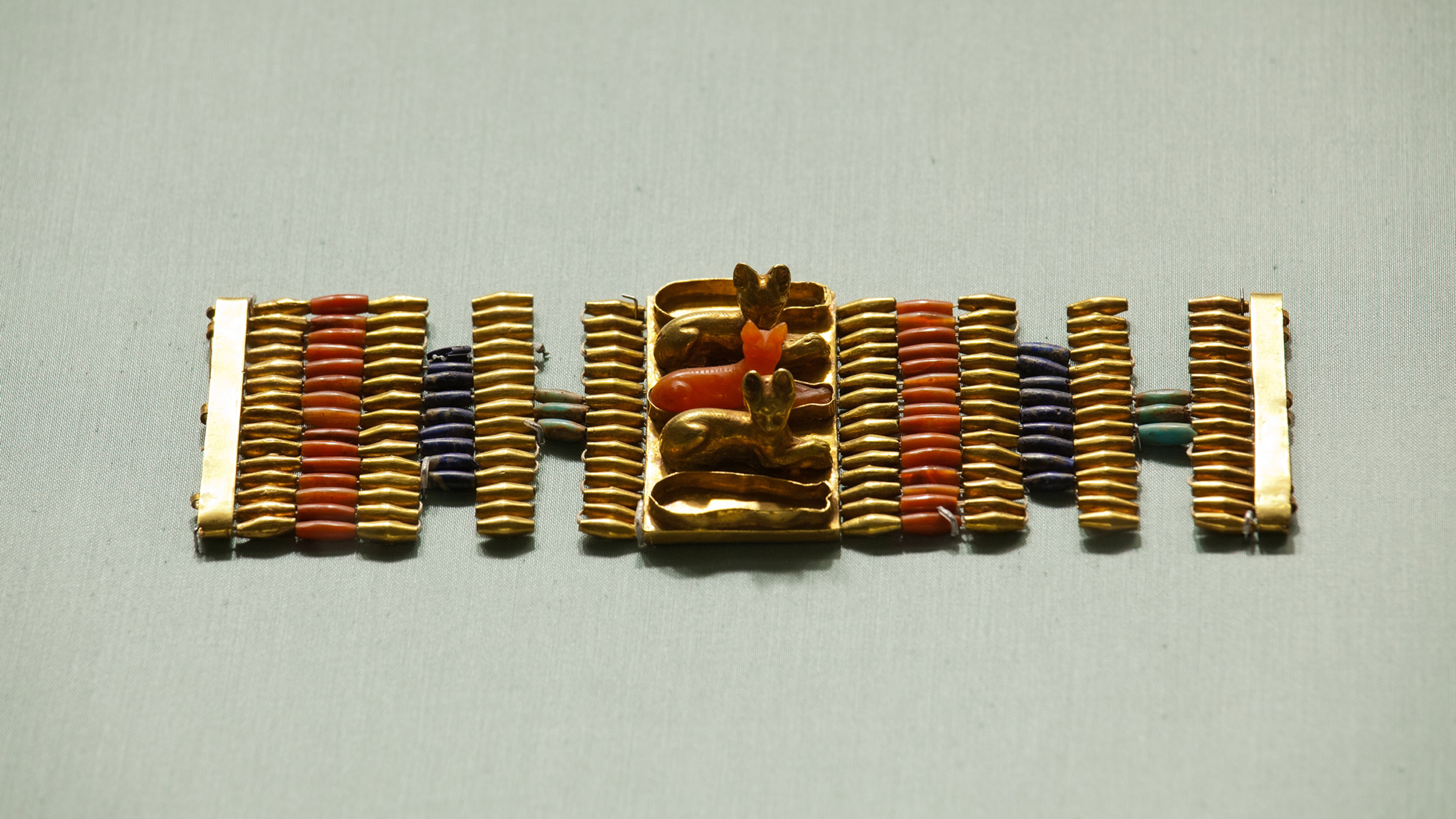
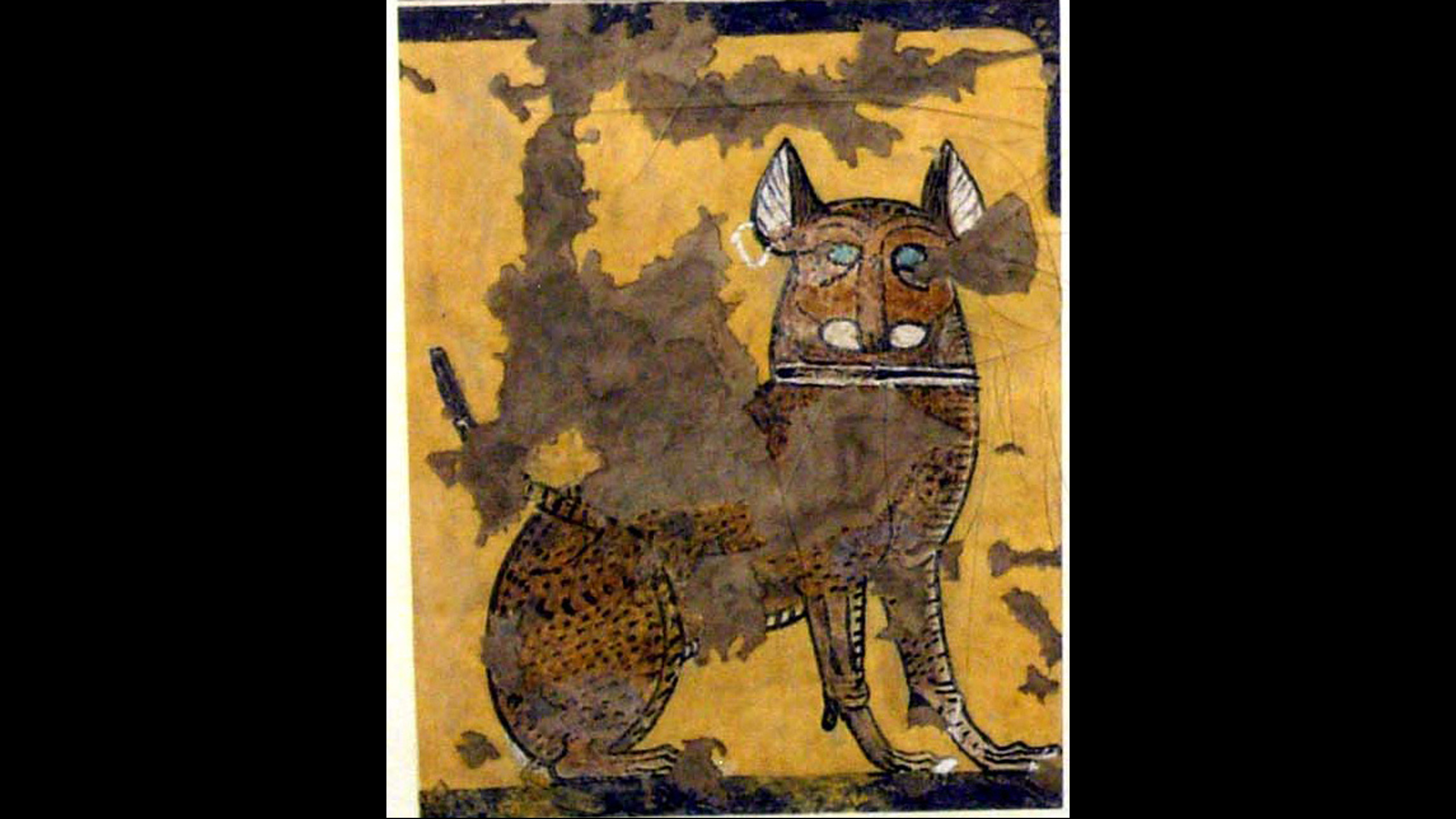
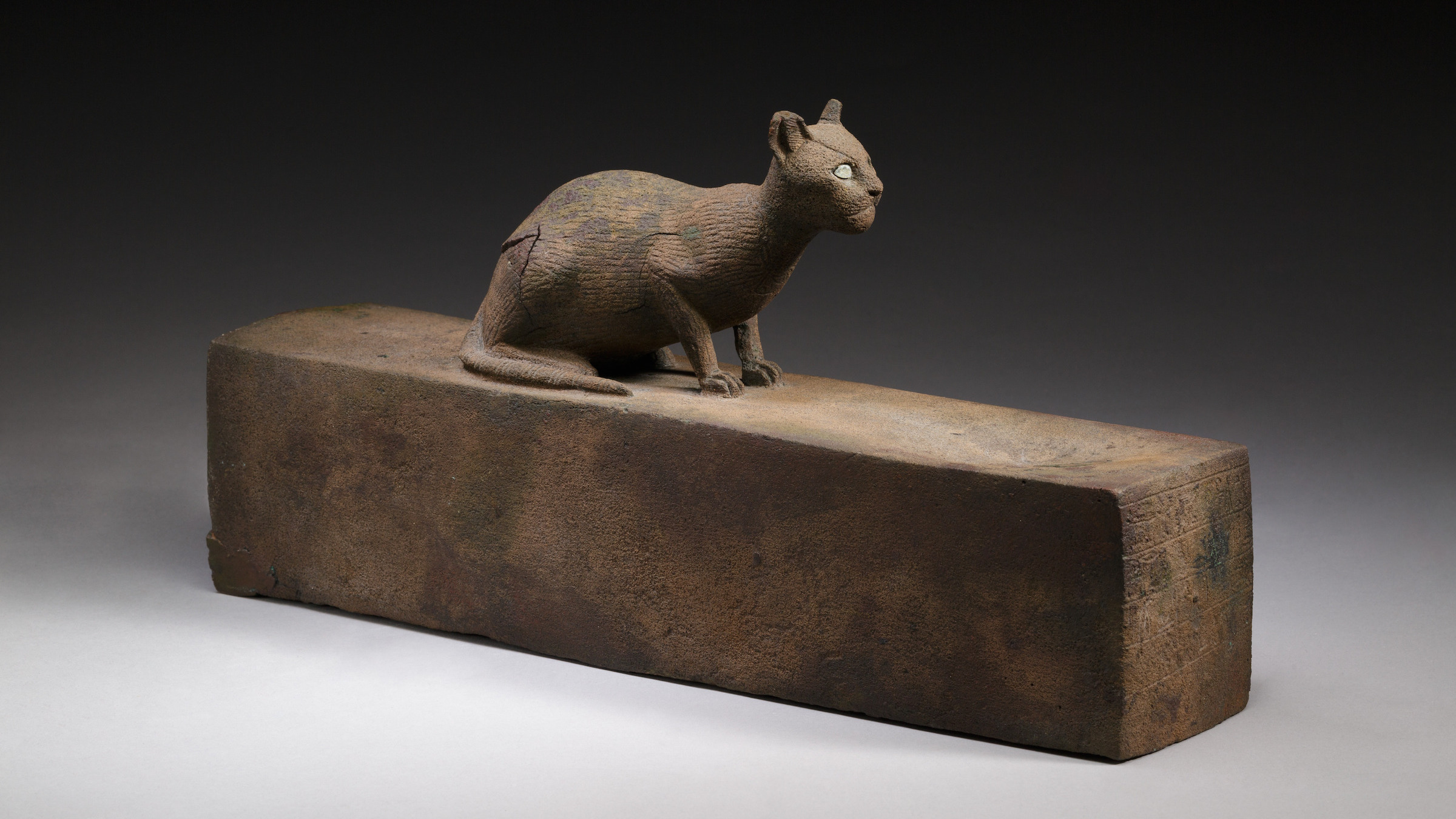
Much research has suggested, all the same, that this obsession wasn't always kind and doting, and there'south testify of a more than sinister side to the ancient Egyptians' feline fascination. There were likely unabridged industries devoted to the breeding of millions of kittens to be killed and mummified and so that people could be buried alongside them, largely between well-nigh 700 B.C. and A.D. 300. In a study published concluding year in the periodical Scientific Reports, scientists carried out X-ray micro-CT scanning on mummified animals — one of which was a cat. This enabled them to accept a detailed expect at its skeletal structure and the materials used in the mummification procedure.
When the researchers got the results back, they realized the beast was a lot smaller than they had anticipated. "It was a very young true cat, but we only hadn't realized that before doing the scanning because so much of the mummy, most 50% of it, is made up of the wrapping," said report writer Richard Johnston, a professor of materials research at Swansea University in the United Kingdom. "When we saw it up on the screen, nosotros realized it was immature when it died," less than v months old when its neck was deliberately cleaved.
"It was a bit of a stupor," Johnston told Alive Science. That said, the practise of sacrificing cats wasn't rare. "They were often reared for that purpose," Johnston said. "Information technology was fairly industrial, you had farms dedicated to selling cats."
That'south considering many of the creatures were offered equally a votive cede to the gods of ancient Egypt, Mary-Ann Pouls Wegner, an acquaintance professor of Egyptian archaeology at the University of Toronto previously told Live Science. It was a means to appease or seek assist from deities in addition to spoken prayers.
Sadly, information technology'southward not exactly articulate why information technology was considered desirable to purchase cats to be cached with, but it seems at that place's a fine line between veneration and infatuation.
Originally published on Live Scientific discipline.

Benjamin is a freelance science journalist with about a decade of experience, based in Australia. His writing has featured in Live Scientific discipline, Scientific American, Notice Mag, Associated Press, U.s. Today, Wired, Engadget, Chemic & Applied science News, among others. Benjamin has a available's degree in biology from Imperial College, London, and a chief's degree in scientific discipline journalism from New York University along with an advanced certificate in science, health and environmental reporting.
Source: https://www.livescience.com/ancient-egypt-cats.html
Posted by: deanclinter46.blogspot.com
0 Response to "Which Animals Were Praised In Ancient Egypt"
Post a Comment